
Aloe zombitsiensis: A Rare Madagascar Aloe in Bloom at Traphouse Nursery
Some plants grab your attention because they are flashy. Others pull you in because they are different, uncommon, and full of quiet character. Aloe zombitsiensis falls into that second group.
Aloe zombitsiensis is an unusual Aloe species from Madagascar, a place known for some of the most fascinating and specialized plant life in the world. Madagascar plants often carry a certain collector appeal because so many of them evolved in unique habitats and have growth habits you do not see in ordinary nursery plants.
At Traphouse Nursery, Aloe zombitsiensis is one of those plants that reminds us why rare species are worth growing carefully.
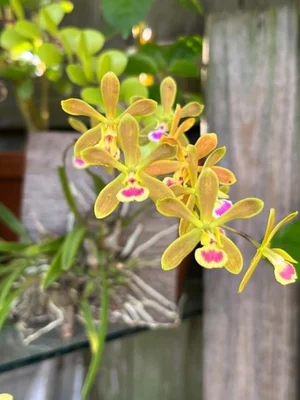
Our Aloe zombitsiensis is currently in full bloom, and even more exciting, it has three seed pods ripening. For a collector plant, that is a special moment. Flowering is already rewarding, but seed pods mean there may be an opportunity to grow the next generation from seed and preserve more genetic diversity in cultivation.
Why Aloe zombitsiensis Is Worth Growing
Aloe zombitsiensis is not the common grocery-store Aloe most people are familiar with. It has a more collector-grade presence and belongs in the conversation with rare succulents, Madagascar plants, and unusual botanical specimens.
It is the kind of plant that may not be recognized by everyone at first glance, but growers who enjoy uncommon species will immediately understand why it matters.
This plant fits well into several kinds of collections:
Rare Aloe species
Madagascar plants
Succulent collections
Collector-grade nursery stock
Greenhouse specimens
Unusual botanical displays
For us, the appeal is not just that it is rare. The appeal is that it has a story, a place of origin, a growth rhythm, and now, in our collection, a flowering and seed-setting event worth documenting.
Growing Aloe zombitsiensis
Aloe zombitsiensis should be treated like a rare succulent, not like a tropical houseplant that wants constant moisture. The key is bright light, excellent drainage, and careful watering.
Light
Grow Aloe zombitsiensis in bright light. In Florida, bright filtered light, morning sun, or protected greenhouse light is usually safer than harsh all-day summer sun, especially for young plants or plants that have been grown under shade.
Strong light helps keep Aloe growth compact and healthy, but sudden exposure to intense sun can stress the plant or burn the leaves. Any increase in light should be done gradually.
Water
Water deeply, then allow the potting mix to dry down before watering again. Aloe zombitsiensis does not want to sit wet.
Overwatering is one of the easiest ways to damage uncommon Aloe species. A plant sitting in heavy, wet soil can decline quickly, especially during cooler weather or periods of slower growth.
During warm, active growth, the plant may use more water. During cooler weather or slower growth, water less often and allow the plant to stay on the dry side.
Soil
Use a fast-draining succulent mix. A gritty blend with ingredients like pumice, perlite, coarse sand, lava rock, or similar drainage material is better than a heavy, moisture-holding potting soil.
The goal is simple: water should move through the pot easily, and the roots should never stay soggy.
Pot Size
Avoid oversized pots. A pot that is too large can hold excess moisture around the roots and increase the risk of rot. A snug, well-draining pot is usually better than a large decorative container.
Temperature
Aloe zombitsiensis is best treated as a warm-climate plant. Protect it from frost, cold rain, and sudden cold snaps.
In colder areas, this plant should be grown in a pot that can be moved indoors, into a greenhouse, or into a protected area during winter.
Blooming and Seed Pods
Seeing Aloe zombitsiensis in bloom is exciting, but seeing seed pods develop takes it a step further.
Our plant currently has three seed pods ripening. These pods should be allowed to mature fully on the plant before collection. Aloe seed pods are usually ready when they begin to dry and split naturally. Harvesting too early can result in immature seed that may not germinate well.
Once mature, the seeds can be collected, dried briefly, and sown in a clean, well-draining seed-starting mix. Fresh Aloe seed is usually best sown sooner rather than stored for a long time.
Seed-grown plants are valuable because they are not just clones. Each seedling can show slight natural variation, and growing from seed helps preserve diversity within the species.
Why This Plant Matters
Rare plants do not have to be loud to be important. Some of the best plants in a collection are the ones with quiet value: unusual origin, interesting growth habit, conservation importance, and the ability to teach us something new.
Aloe zombitsiensis is one of those plants.
It represents the kind of nursery stock we love most at Traphouse Nursery: unusual, educational, collector-worthy, and worth growing with care.
Whether you are building a rare Aloe collection, exploring Madagascar plants, or simply looking for something different from the average succulent, Aloe zombitsiensis is a plant worth knowing.
And right now, with our plant in full bloom and three seed pods ripening, it is one of the most exciting plants in the Traphouse Nursery collection.
— Traphouse Nursery