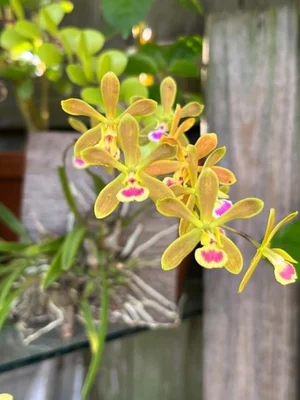

Impatiens tuberosa: The Caudiciform Impatiens That Changed How I Look at the Genus
Impatiens tuberosa is not the common bedding impatiens most people know. This rare species from Madagascar forms a swollen caudex, grows seasonal stems, and produces delicate pink flowers that make it a serious collector plant.
Most people hear the word “impatiens” and immediately think of common bedding plants — the soft, shade-loving annuals sold in trays at garden centers. Those plants have their place, but Impatiens tuberosa is something completely different.
This is not just another flowering impatiens.
Impatiens tuberosa is a rare, tuberous, caudex-forming species from Madagascar. Instead of growing like a typical bedding plant, it develops a swollen storage structure at the base of the plant. From that base, it produces seasonal stems, soft foliage, and delicate pink flowers with yellow markings near the throat.
It is the kind of plant that makes you realize how much diversity is hidden inside familiar plant groups.
Quick plant profile
Scientific name: Impatiens tuberosa
Family: Balsaminaceae
Plant type: Caudex-forming / tuberous impatiens
Native range: Madagascar
Growth habit: Seasonal stems emerging from a swollen basal structure
Flowers: Pink to rose-colored with lighter centers and yellow markings
Collector interest: Rare impatiens, caudiciform plant, Madagascar endemic, unusual flowering species
Best for: Experienced tropical plant growers, rare plant collectors, caudex collectors, and growers interested in unusual species
Why this plant is different
Most common impatiens are grown for fast color. They are treated like seasonal bedding plants, watered heavily, and replaced when they decline.
Impatiens tuberosa should not be approached that way.
This species has a storage structure, often described as a caudex or tuber-like base. That swollen base allows the plant to store energy and survive seasonal changes. The above-ground stems may grow, flower, decline, and eventually die back, while the basal structure remains alive and capable of producing new growth later.
That is what makes this plant so interesting.
It combines the soft, delicate appearance of an impatiens with the survival strategy of a caudiciform plant.
What is a caudex?
A caudex is a swollen stem base, trunk, or root-like structure that stores water, energy, or nutrients. Not every caudex plant works the exact same way, but the basic idea is that the plant has a built-in storage system.
In Impatiens tuberosa, this swollen base is one of the most important parts of the plant. The flowers may be what catch your eye first, but the caudex is what makes the plant botanically unusual.
For growers, this matters because a caudex-forming plant often has a seasonal rhythm. It may not grow the same way all year. It may slow down or drop stems during a rest period. That does not automatically mean the plant is dead.
The key is learning the difference between normal seasonal dieback and actual rot.
Flowers and appearance
The flowers are one of the best features of Impatiens tuberosa.
The blooms are soft pink to rose-pink, with lighter inner coloring and yellow markings near the throat. Up close, they almost have an orchid-like look. They are delicate, but not plain. The markings help give the flower depth, and the shape is different enough to stand out from common garden impatiens.
On my plant, the flowers appear in clusters and have a soft tropical look that photographs beautifully. This is one of those plants where the closer you look, the more detail you notice.
That is part of the collector appeal.
It is not just rare. It is genuinely beautiful.
Native habitat and what it tells growers
Impatiens tuberosa comes from Madagascar, one of the most unique plant regions in the world. Madagascar is famous for unusual plant life, including many species that evolved in isolation and developed specialized survival strategies.
This matters because the plant’s structure gives us clues about how to grow it.
The swollen base suggests that the plant is adapted to seasonal conditions. Instead of staying soft and leafy forever, it can store energy and return from the base when conditions improve.
For growers, that means we should not treat it exactly like a regular impatiens. It appreciates moisture while actively growing, but the caudex should not be kept constantly wet and stagnant, especially if the plant is resting.
The goal is balance: moisture during active growth, drainage and airflow around the roots, and caution during dormancy or slowdown.
How I grow Impatiens tuberosa
In my conditions, Impatiens tuberosa has done best with bright filtered light, warmth, steady moisture during active growth, and good airflow.
I do not grow it bone dry while it is actively producing stems and flowers. At the same time, I do not want the potting mix staying sour, heavy, and waterlogged. That is where growers can get into trouble.
A good approach is to use a mix that holds some moisture but still drains well. The plant should not be sitting in compacted mud. Roots need oxygen. The caudex needs to stay firm. The media should support moisture without suffocating the plant.
For light, I prefer bright indirect light or filtered light. Too little light can cause weak growth, but harsh direct Florida sun can be too much, especially during the hottest part of the day. In a greenhouse or shade structure, filtered light is usually a good starting point.
Watering
During active growth, Impatiens tuberosa does not want to be neglected. The stems and leaves are soft, and the plant can wilt if it gets too dry while actively growing.
That said, watering should match the plant’s stage.
When the plant is actively growing and flowering, I keep it evenly moist but not swampy. When growth slows down, I reduce watering and become more careful. If the stems begin to die back naturally, the caudex may be entering a rest period.
That is when overwatering becomes dangerous.
A resting caudex does not need the same amount of water as an actively growing plant. Keeping it too wet while it is not using much moisture can lead to rot.
Dormancy and dieback
This is probably the most important thing new growers need to understand.
Impatiens tuberosa may go through seasonal dieback.
The stems can decline or fall away while the caudex remains alive. If you are used to regular impatiens, this can look scary. With this species, though, dieback can be part of the growth cycle.
Do not throw the plant away just because the top growth disappears.
Check the caudex. If it is firm, the plant may simply be resting. If it is soft, mushy, collapsing, or smells bad, that is a rot issue.
The difference matters.
A healthy dormant caudex is a plant waiting for the right time to grow again. A rotting caudex is a plant in trouble.
Propagation
Impatiens tuberosa can be grown from seed, and that is one of the most rewarding ways to grow it.
I grew mine from seed, and that process gave me a much better appreciation for the plant. Raising a rare species from seed teaches you patience. You get to see the plant develop from the beginning, form structure, mature, and eventually flower.
Seed-grown plants are also important for keeping rare species in cultivation. Every successful seedling is another plant that can be grown, studied, shared, and preserved by collectors.
Like many impatiens, seed capsules may release seed quickly when mature. The name Impatiens is connected to the way many species have seed pods that burst open when ripe. That means seed collection takes timing. If you wait too long, the plant may launch the seeds before you get to them.
For growers trying to produce seed, close observation is important.
Common growing mistakes
The biggest mistake is treating Impatiens tuberosa like a common bedding impatiens.
It is not a plant to throw into heavy wet soil and forget about.
Another mistake is treating it like a desert succulent just because it has a caudex. That is not right either. During active growth, it still produces soft stems and leaves that appreciate moisture.
The third mistake is panicking during dieback. Seasonal decline does not always mean death.
The fourth mistake is watering too much during rest. If the plant slows down or drops stems, watering should be adjusted.
This plant sits somewhere between tropical impatiens care and caudiciform plant care. That is what makes it interesting, but it also means the grower has to pay attention.
Why collectors should care
Impatiens tuberosa has everything I like in a collector plant.
It has a story. It has unusual structure. It has beautiful flowers. It comes from a botanically important region. It teaches you something about plant adaptation. It is familiar enough to recognize as an impatiens, but strange enough to completely change how you see the genus.
This is the kind of plant that makes people stop and ask, “Wait, that is an impatiens?”
That question is exactly why I grow plants like this.
A good collector plant should do more than sit on a shelf. It should make you curious. It should make you want to learn where it comes from, why it grows the way it does, and how to keep it healthy long-term.
Impatiens tuberosa does all of that.
Final thoughts
Growing Impatiens tuberosa has reminded me that common plant groups can hide some truly unusual species.
Most people think they know what an impatiens is. Then they see one with a swollen caudex, seasonal stems, and delicate pink flowers from Madagascar, and suddenly the whole genus feels different.
That is what makes rare plants worth studying.
They teach you that the plant world is bigger, stranger, and more interesting than it first appears.
At Traphouse Nursery, this is exactly the kind of plant I love growing — not just because it is rare, but because it has something to teach.
Educational note: This article is based on my growing experience with Impatiens tuberosa at Traphouse Nursery, along with available botanical information on the species. Growing results may vary depending on your climate, light, potting mix, watering habits, and seasonal conditions.
image caption:
Impatiens tuberosa blooming at Traphouse Nursery. This rare species produces soft pink flowers with yellow throat markings and grows from a swollen caudex-like base.