
Rifat: The Clone That Helped Put Kratom on the Scientific Map
Some plants are just inventory.
Others carry a story.
Mitragyna speciosa ‘Rifat’ is one of those plants that deserves more than a quick product description. To me, Rifat is not just another tropical tree or another named clone. It represents cultivation, preservation, science, curiosity, and the deeper mystery hidden inside plants.
That is the kind of plant that belongs at Traphouse Nursery.
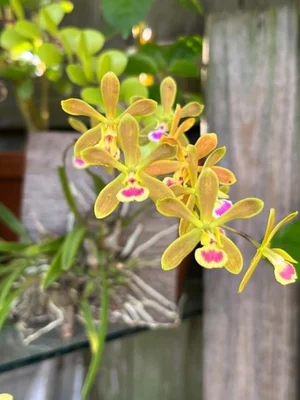
I have always been drawn to plants that make people ask questions. Orchids did that for me as a kid. Venus flytraps did that when I first realized a plant could catch its own food. Carnivorous plants, medicinal plants, rare species, and unusual tropicals all seem to carry that same kind of wonder.
Rifat fits right into that world.
What Is Mitragyna speciosa?
Mitragyna speciosa, commonly known as kratom, is a tropical tree native to Southeast Asia. It belongs to the coffee family, Rubiaceae, which also includes coffee, gardenias, and many other important tropical plants.
In nature, Mitragyna speciosa can grow into a large tree with broad green leaves and a strong tropical presence. In cultivation, it is often grown by collectors, ethnobotanical growers, and people interested in medicinal plant history.
At Traphouse Nursery, I approach this species first as a living plant.
Not as hype.
Not as a cure.
Not as a controversy.
As a plant with history, chemistry, genetics, and purpose.
Why Rifat Matters
Among named Mitragyna speciosa clones, Rifat has become one of the most recognized.
Growers appreciate it because it is vigorous, adaptable, and reliable under the right conditions. It responds well to pruning, roots from cuttings, and can be maintained as a container-grown tropical tree.
But Rifat is especially interesting because it was used in genome research on Mitragyna speciosa.
That means scientists studied this clone deeply enough to assemble its genome and use it as a resource for understanding the species at a genetic level. For growers and plant people, that makes Rifat more than just a clone. It makes it part of the scientific story of kratom.
I love that.
Because to me, plants are full of hidden knowledge.
The Mystery Inside Plants
One of the reasons medicinal plants fascinate me so much is because of phytochemicals.
Phytochemicals are compounds produced by plants. Some help defend the plant from insects. Some help protect it from stress. Some attract pollinators. Some interact with animals and humans in ways we are still trying to understand.
I believe God hid wonders and mysteries inside plants in the form of phytochemicals, and made mankind to discover them at the proper time.
That belief is a big part of why I am drawn to plants like Mitragyna speciosa.
The more we study plants, the more we realize we are not inventing the mystery. We are uncovering it. We are learning to recognize what was already there.
Rifat is a perfect example of that. A living tree, passed through cultivation, eventually became part of a scientific effort to better understand the genetics and chemistry of an important medicinal species.
That is not ordinary.
That is worth paying attention to.
A Clone Preserved Through Propagation
Rifat is propagated as a clone, which means it is preserved through cuttings rather than grown from seed.
That matters.
A seed-grown plant is a new individual with its own genetic identity. A clone preserves a specific genetic line. When a grower propagates Rifat from cuttings, they are preserving the same living line from one plant to the next.
That is one of the things I love about propagation.
Propagation is not just making more plants. It is preserving genetics. It is keeping a line alive. It is passing something forward.
My first successful propagation was a Queen’s Tears bromeliad when I was about eight years old. I still remember the feeling of realizing one plant could become more than one. That experience shaped the way I look at growing. A good plant is not just something to own. It is something to care for, learn from, and share.
Rifat carries that same idea.
A clone with a story should not disappear.
It should be grown, preserved, documented, and passed on responsibly.
What the Genome Research Revealed
The scientific research on Rifat showed that this clone is tetraploid, meaning it carries four sets of chromosomes. That alone makes it interesting from a genetic standpoint.
The genome work also gave researchers a better look at the genes and pathways connected to specialized metabolism in Mitragyna speciosa. In simpler terms, the study helped open the door to understanding how this plant produces some of the compounds that make it so scientifically important.
For a grower, that adds another layer of appreciation.
You are not just looking at a leafy tropical tree. You are looking at a plant carrying complex genetic instructions, chemical pathways, and biological history.
That is the kind of thing that keeps me fascinated.
Plants are quiet, but they are not simple.
Growing Rifat
Rifat grows like a tropical tree because that is exactly what it is.
It appreciates warmth, moisture, humidity, bright light, and rich soil. It does not like cold weather, drought, or being neglected for long periods. When grown well, it can become a beautiful, vigorous plant with large green leaves and strong branching.
For container culture, pruning is important. Regular pruning helps keep the plant manageable and encourages fuller growth. Under good conditions, Rifat can grow quickly and respond well to feeding.
The main things to remember are:
Warmth.
Moisture.
Light.
Nutrition.
Observation.
That last one may be the most important.
Plants will often tell you what they need if you are patient enough to watch them.
A Plant That Requires Responsibility
Because Mitragyna speciosa is surrounded by public debate, it needs to be discussed responsibly.
There are legal, regulatory, and health-related conversations around kratom products. That is why I believe growers and sellers should be careful with their words.
At Traphouse Nursery, Rifat is offered as a live plant for cultivation, collection, propagation, and botanical education. I do not present it as a treatment, cure, supplement, or replacement for medical care.
That distinction matters.
Respecting medicinal plants means telling the truth about them. It means honoring their history without exaggerating claims. It means appreciating their chemistry without pretending we know everything. It means staying humble.
Medicinal plants deserve both wonder and responsibility.
Why Rifat Belongs at Traphouse Nursery
Rifat belongs here because it represents so many things I care about.
It is a medicinal plant.
It is a clone with history.
It is a living genetic line.
It is connected to scientific research.
It is useful for teaching.
It gives growers a chance to observe, propagate, and preserve something meaningful.
That is exactly the kind of plant Traphouse Nursery was built around.
I did not start this nursery just to sell plants that look good in a pot. I started it because I realized there was not really a nursery for people like me—people who love plants for their beauty, their usefulness, their chemistry, their history, their mystery, and their purpose.
Rifat is not flashy like an orchid bloom.
It does not move like a Venus flytrap.
It does not sparkle like a sundew.
But it carries a quiet kind of importance.
And sometimes those are the plants most worth growing.
Final Thoughts
Mitragyna speciosa ‘Rifat’ is more than a clone.
It is a living plant with a scientific footprint, a cultivation history, and a story worth preserving. For growers interested in medicinal plants, ethnobotanical species, rare tropicals, and plant genetics, Rifat deserves respect.
At Traphouse Nursery, my goal is to share love and knowledge through plants.
Rifat gives us both.
It gives us something to grow.
Something to study.
Something to preserve.
And something to wonder about.
— Stephen
Traphouse Nursery
Educational Note
This article is for botanical, historical, and cultivation education only. Traphouse Nursery offers live plants for collection, propagation, and educational growing purposes. No medical claims are made or implied.